 Image by Lane Pearman Via flickr
An Introduction to Numismatics
Numismatics involves the collection and study of coins, a pastime people have engaged in for centuries. Coins’
diversity, rich history, and storability make them an ideal collector’s item.
But people who dive head first into numismatics risk missing key
details that improve the pastime. So, novices should learn some basic details
before making their first purchase.
Here’s a numismatics introduction to streamline your first few
steps.
A
Beginner's Guide to Coin Collecting
Money has been a fundamental part of human civilization for
thousands of years. It was first used as a means of trade to facilitate the
exchange of goods and services. Over time, money has evolved into different
forms, including coins, paper money, and digital currency. Today, money is a
complex system that encompasses various financial instruments and markets.
The History and Evolution of Coinage
Humans have been using pieces of metal to represent value for
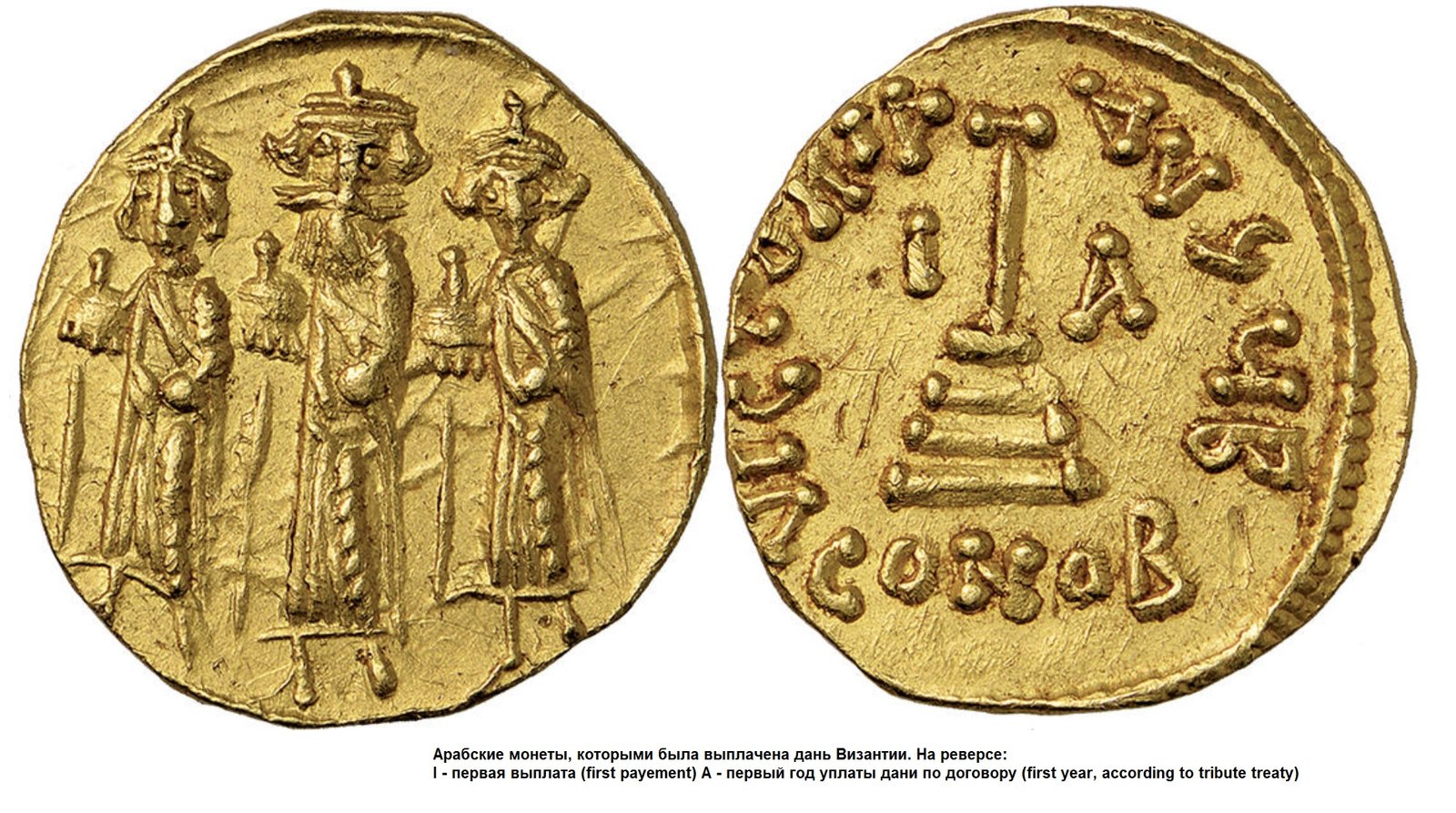
thousands of years. But, the first tokens identifiable as coins don’t show up until roughly 700 BC, in Lydia. Workers carved these objects from electrum, a naturally
occurring gold and silver alloy.
 Image by Ismoon, CC BY-SA 4.0 , via Wikimedia Commons

Lydian craftsmen cut designs into these electrum nuggets to mark
them as coins, But, there is no evidence that they had any standardization in
terms of weight. Traders likely would have had to weigh each coin individually
to determine its value.
The Romans and Coinage Standardization
The
Roman Empire improved upon the existing coinage system by introducing a more
standardized approach to coin production. Roman coins were still made from
precious metals and had intrinsic value, but they also featured standard
weights and denominations. This development made it easier to exchange coins
and determine their value, although the concept of fiat currency, where the
value is based on government decree and not tied to the material's worth, did
not emerge until much later in history.
European Coin Production and the Industrial Revolution
In 1550, European coin makers shifted from using a die and a
small piece of metal to hammer out individual coins, to a flat sheet of the
correct diameter. While this innovation sped up the manufacturing process, it
also led to an increase in forgeries. The sheet system created irregular,
non-circular coins that scammers could clip the edges from for their precious
metal. It wasn't until the Industrial Revolution that new minting techniques
using dies and presses gave European states the fast, standardized currency
production we know today.
Impact of trade on currency evolution
The use of coins was closely tied to the growth of trade. Coins
made it easier to buy and sell goods, as they were a portable and standardized
form of currency. With the spread of trade, coins became more widespread and
more sophisticated, with different denominations and designs.
 Astromentum, CC BY-SA 4.0, via Wikimedia Commons
Coins and the Great Depression
Coins played an essential role during the Great Depression of
the 1930s. As the economy faltered, banks began to fail, and people lost faith
in paper money. Coins became a symbol of stability, as they were backed by the
value of the metal they contained. The U.S. government did authorize the
melting of gold coins during the Depression to help stabilize the economy, but
silver coins were not explicitly targeted for melting.
Noteworthy
Coin Categories
Rarity is a key element in numismatics. Typically, the rarer a
token is, the more interest collectors show in it.
Here are the four basic rare coin types:
- Error
Coins: No mint is perfect. And the U.S. mint has
blessed collectors with a variety of off-center, blank, double-struck, and
crumpled error coins. Since overseers tend to correct these mistakes
quickly, numismatic fanatics have a limited window to grab them.
- Commemorative
Coins: The U.S. government sometimes produces
commemorative coins to honor a person or event. After producing a limited
number of these tokens, which are legal tender, officials will sell them
at a higher price than their metallurgical value. The proceeds from this sale go to supporting
community-centered projects, like museums and memorials.
- Ancient
Coins: Older coins tend to be rarer than newer
models. While core metals like silver and gold have preserved many tokens
thanks to the metals’ anti-corrosion properties, people have melted many
ancient coins down to sell them as bars.
- Bullion
Coins: Minters make bullion coins from a highly
concentrated precious metal, usually .999 fine. The real value of these
tokens is typically much higher than the number printed on the front. And
thanks to their rarity, many bullion coins sell far beyond their
metallurgical value.
How to Start a Coin Collection
If you live in America, U.S. coins are the easiest to get. The
country stores a sizable medley of state coins, Confederate coins, error coins,
and limited-run federal coins, all of which have connoisseurs who specialize in
their history. So, you’ll have plenty of niches rich with rare but accessible
options.
 Image by Colin and Sarah Northway via flickr
But whether you choose U.S. or foreign coins, it’s important to
stay focused. The narrower your interests are, the easier it is to educate
yourself. Being knowledgeable helps you develop a practical budget and buy from
reputable sources.
If you're just starting your coin collecting journey, here are
some helpful resources for beginners:
- Beginner
Coin Collecting: https://www.numismaticnews.net/article/getting-started-collecting-coins
- Coin
Collecting Basics from the United States Mint: https://www.usmint.gov/learn/collecting-basics
- Tips
for Beginner Coin Collectors: https://coins.thefuntimesguide.com/beginner-coin-collecting-tips/
- How
to Get Started in Coin Collecting: https://www.pcgs.com/news/getting-started-in-coin-collecting
- Basic
Coin Collecting for Beginners: https://coinweek.com/education/coin-collecting-101-basic-collecting-techniques/
Collecting
American Coins
For those who are specifically interested in collecting American
coins, the following resources can be very useful:
- Collecting
American Coins from the United States Mint: https://www.usmint.gov/learn/collecting
- U.S.
Coins and Collections: https://coinweek.com/us-coins/
- American
Coins by Type: https://coins.ha.com/tutorial/coin-collecting-by-type.s
- Pocket
Goodies: http://www.lincolncentresource.com/pocket.html
- Most
Valuable U.S. Coins: https://www.thesprucecrafts.com/most-valuable-us-coins-768305
Collecting
World Coins
For individuals who are interested in collecting coins from
different countries or have a passion for world travel, the following resources
can be beneficial:
- Coin
Collecting from the London Mint: https://www.londonmintoffice.org/collecting
- Modern
World Coin Collecting Strategies: https://www.numismaticnews.net/world-coins/modern-world-coin-collecting-strategies
- Tips
to Increase the Collection of Rare and Old Coins: https://www.pcgs.com/news/tips-to-increase-collection-of-rare-coins
- Some
Possibilities for Collecting World Coins: https://coinweek.com/world-coins/some-possibilities-for-collecting-world-coins/
- Standard
Catalog of World Coins, Paper Money, and US Coins: https://www.krausebooks.com/standard-catalog-of-world-coins-paper-money-us-coins
Caring for Your Coin Collection
When handling a coin, wear soft cotton gloves
to keep it from the corrosive oil in your skin. Hold it over a soft surface by the edges between your thumb
and forefinger.
Avoid polishing your coins as it can rub off valuable
characteristics, especially on older models. If you need to clean your
collection, use mild soap and water. Pat the pieces dry with a soft towel
without rubbing.
Store your coins in an area that has consistent heat and
moisture levels. If your collection is from a modern mint, keep it in its
protective plastic case. Without this case, you can use acid-free cardboard and
polyvinyl-chloride-free plastic holders. More valuable sets will be most secure
in a safe deposit box.
 Billjones94, CC BY-SA 4.0 , via Wikimedia Commons
Identifying and Valuing Coins
When inspecting a coin, always check the mintage number to
determine how many coins were manufactured. Fewer units in circulation
typically translate to higher rarity.
Poor-condition coins can either have increased or decreased
value depending on the details. Degradation, such as oxidation and natural
chipping, will lower the token’s price. But mint mistakes like missing sections
can boost the coin’s value.
All else being equal, older coins will be rarer than newer
coins. So, look for dates that have few current owners. Some pieces come into
fashion for a limited period, so always stay abreast of current trends.

Billjones94, CC BY-SA 4.0, via Wikimedia Commons
Expanding and Diversifying Your Collection
Once you’ve become familiar with a coin niche, consider
branching out into other areas. Having a basic knowledge of valuing, handling,
and storing coins translates well across most sectors. Engaging with
like-minded hobbyists boosts your chances of finding fascinating new
collectibles.
Resources for Numismatists and Coin Collectors
Coin novices should consider reading A Guidebook of U.S.
Coins 2023 as an introductory map to local
currency. Forums like the U.S. Coin Forum will connect them with people who share similar interests. And
coin shows like the World’s Fair of Money will show them how experienced collectors handle and speak
about their pieces.
Reliable Resources for Numismatics and Coin Collecting
- Coin
Resources: An In-Depth Study of Coins - https://www.usmint.gov/learn/educational-resources/coin-resources
- Numismatic
News - https://www.numismaticnews.net/
- The American Numismatic Association (ANA): https://americannumismaticassociation.org/about-ana
- The Professional Coin Grading Service (PCGS): https://www.pcgs.com/
- The Numismatic Guaranty Corporation (NGC): https://www.ngccoin.com/
- CoinWeek: https://coinweek.com/
- Coin Talk: https://www.cointalk.com/
- Coin World: https://coinworld.com/
Associations
& Societies for Numismatics
If you are interested in connecting with others who share your
passion for numismatics or coin collecting, you can join one of the many
associations and societies dedicated to the hobby. These organizations often
provide educational resources, events, and forums for discussion. The following
are some notable numismatic associations and societies:
- American
Numismatic Society - https://www.numismatics.org/
- American
Numismatic Association - https://www.money.org/
- International
Association of Professional Numismatics
- https://www.iapn-coins.org/
- Royal
Numismatic Society - http://numismatics.org.uk/
- World
Internet Numismatic Society
- https://www.winsociety.org/
For those looking for a way to get started coin collecting,
Penny Pincher Auctions has you covered. We offer a diverse range of certified
coins that range from mild to high rarity. Visit our website today to kick off your coin collection journey.
Key Takeaways
·
Historical coins transitioned from
crude metal disks to regulated currency pieces.
·
Rare coins attract most of the
collector attention.
·
Staying focused on a niche interest
helps you learn key details.
·
Handle your coins carefully and
keep them stored in safe conditions.
·
Value coins through a combination
of their age, make, condition, and rarity.
·
Expand to new numismatic niches to
diversify your pastime.
·
Visit coin-collecting websites and
shows to gain new insights.